
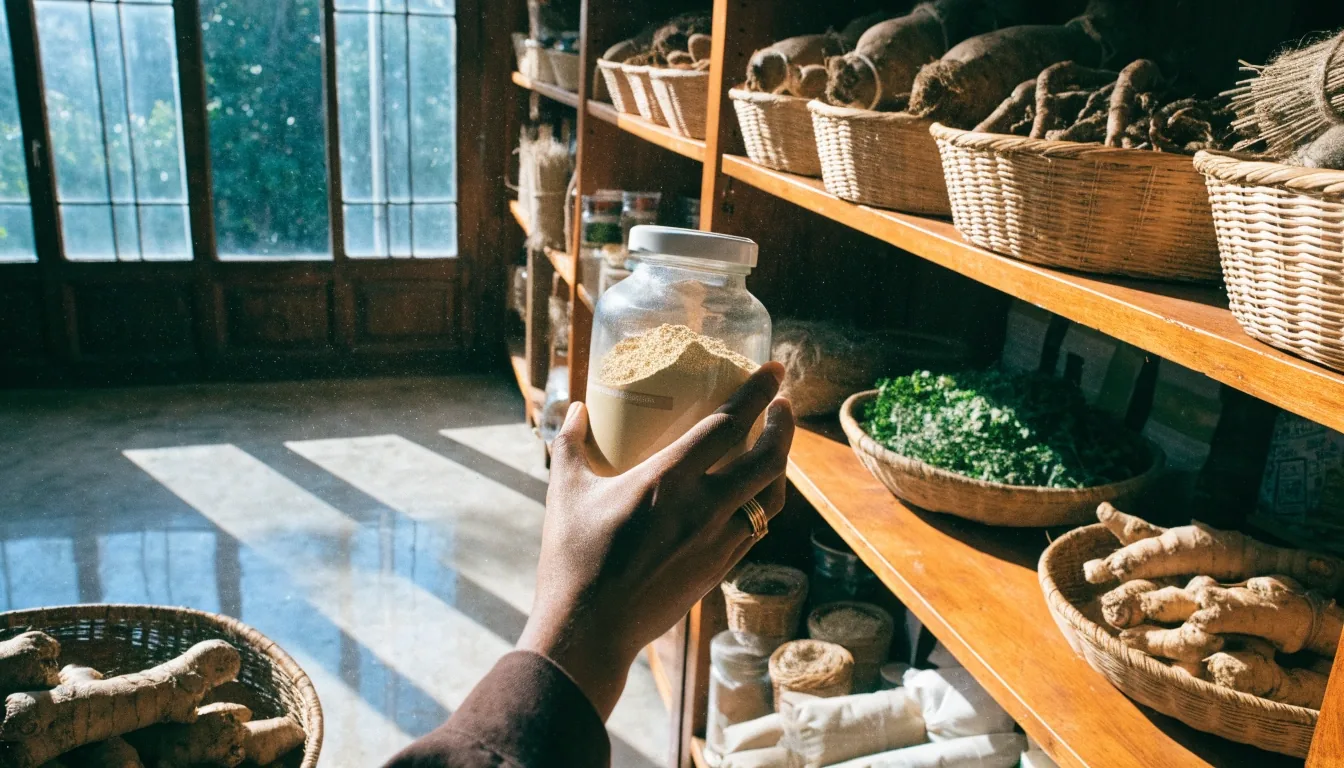
An editorial desk in Samarinda
Natural Supplements for Men: A Practical Starting Point
Most men meet this category in an aisle, holding two bottles with almost identical labels. We write plain guides to natural supplements for men sold across Indonesia and judge them on ingredient profile, serving format, and who each one seems built for.
What this site covers, and what it does not
SehatPria is an editorial resource. We describe supplements, we compare labels, and we explain how ingredients are usually framed in this market. We do not sell anything, we do not take a position on whether you personally need a supplement, and we stay away from medical framing entirely.
What we can do well is help you read a label, understand why a formula is built the way it is, and compare two products without decoding marketing language first. If you have a health concern, that conversation belongs with a qualified professional, not with a website.
Five things we can actually check on any bottle you put in front of us. Everything else on this site comes back to them.
Reading a men's supplement label in three passes
Start with the ingredient list, not the front of the bottle. Front-panel words like "vitality" or "stamina" are positioning; the back panel is the actual product.
First pass — is it a multivitamin or a botanical?
Identify whether the formula is a vitamin and mineral blend or a plant extract formula. Those are different product types with different daily-use patterns.
Product type
Second pass — are the amounts per serving listed?
Check whether the main ingredients carry amounts per serving, or only appear inside a combined blend listing. A blend entry tells you the ingredients; it rarely tells you how much of each.
Amount transparency
Third pass — what does the serving instruction ask of you?
A capsule you take once daily and a formula that asks for three capsules across the day are not interchangeable habits, even when the ingredient names overlap entirely.
Daily rhythm
Run those three passes in order and most of the aisle sorts itself out. The first pass splits the shelf into two kinds of product, the second tells you how much the brand is willing to disclose, and the third tells you whether the routine fits the mornings you actually have.
Multivitamins versus herbal capsules
These are the two broad shelves in the men's category, and they solve different problems. Neither type is better as a category. The right question is whether you want broad nutritional coverage or a specific botanical, and how many capsules per day you will realistically take.
Daily multivitamin and mineral blends
Built to cover a spread of vitamins and minerals in one routine-friendly dose. GNC Mega Men and MegaFood Men's One Daily Multivitamin sit on this shelf. Expect a longer ingredient panel and a serving size of one or two capsules a day.
Plant-centred capsule formulas
Centres on botanical ingredients, sometimes just one, sometimes five or six. GNC Men's Ultra Saw Palmetto Formula and NATURELINE Men's Health Kapsul sit here. The label tends to be shorter but the serving instruction is the detail worth reading first.
The botanicals you'll see most often on Indonesian shelves
Indonesian shelves lean on a recognizable set of plant names. You do not need to memorize all of them. You do need to recognize which names repeat, because repetition across brands is usually a signal that an ingredient is a category standard rather than a differentiator.
Panax ginseng and Eurycoma longifolia appear in energy-oriented formulas.
Maca root anchors single-ingredient products such as Solaray Maca Root 525mg. Saw palmetto shows up in formulas named directly after it.
Ginkgo biloba and Epimedium turn up in multi-botanical local products. Horny goat weed is common enough overseas that GNC sells a standalone version here.
Format matters more than most shoppers expect
Capsules dominate this category in Indonesia, but the differences inside "capsule" are real. Once-daily formats suit people who already have a morning routine and do not want to add steps. Multi-capsule formulas split the dose across the day, which can suit some botanical ingredients better but demands more consistency from you.
Single-ingredient products are the simplest to reason about: one bottle, one ingredient, one amount. Softgels and tablets exist too, in smaller numbers. Before comparing ingredients, check the serving size line. It filters the market faster than any other single detail.

One dose or three
The serving line separates a routine you will keep from one you will abandon. Read it before the ingredient panel and half the aisle sorts itself — a once-daily capsule asks one thing of your morning, a three-capsule formula asks three.
Who each type tends to suit
These are patterns in how products are marketed and used, not recommendations for your situation. Read them as a way to narrow the shelf before you start comparing ingredient panels.
New to supplements
A simple daily multivitamin, because the routine is the hard part here, not the formula.
Over 50
Formulas positioned for that age group, which tend to adjust mineral amounts and lean on different botanicals.
Active routines
Energy and endurance formulas such as Nutrimax Stamina X, which sit in the botanical-and-mineral lane.
Already decided on one botanical
A single-ingredient product beats a broad blend that includes the same name in a small amount.
Restocking near home
Availability decides more than country of origin. A formula you can replace in a week beats one you can only find once.
The bottle you keep beats the bottle you admire.
Imported brands and local formulas
Indonesia's market runs on both. Imported lines reach shelves through GNC Live Well Indonesia and similar retail, and they often carry long ingredient lists and familiar international branding. Local products, including Indonesian-made capsules, are usually priced lower.
Shoppers ask us which is better. The honest answer: imported does not mean stronger, and local does not mean weaker. What differs is labeling convention, capsule count, how much information the brand publishes about amounts per serving, and how easy the product is to restock near you. Those four things matter more than country of origin.
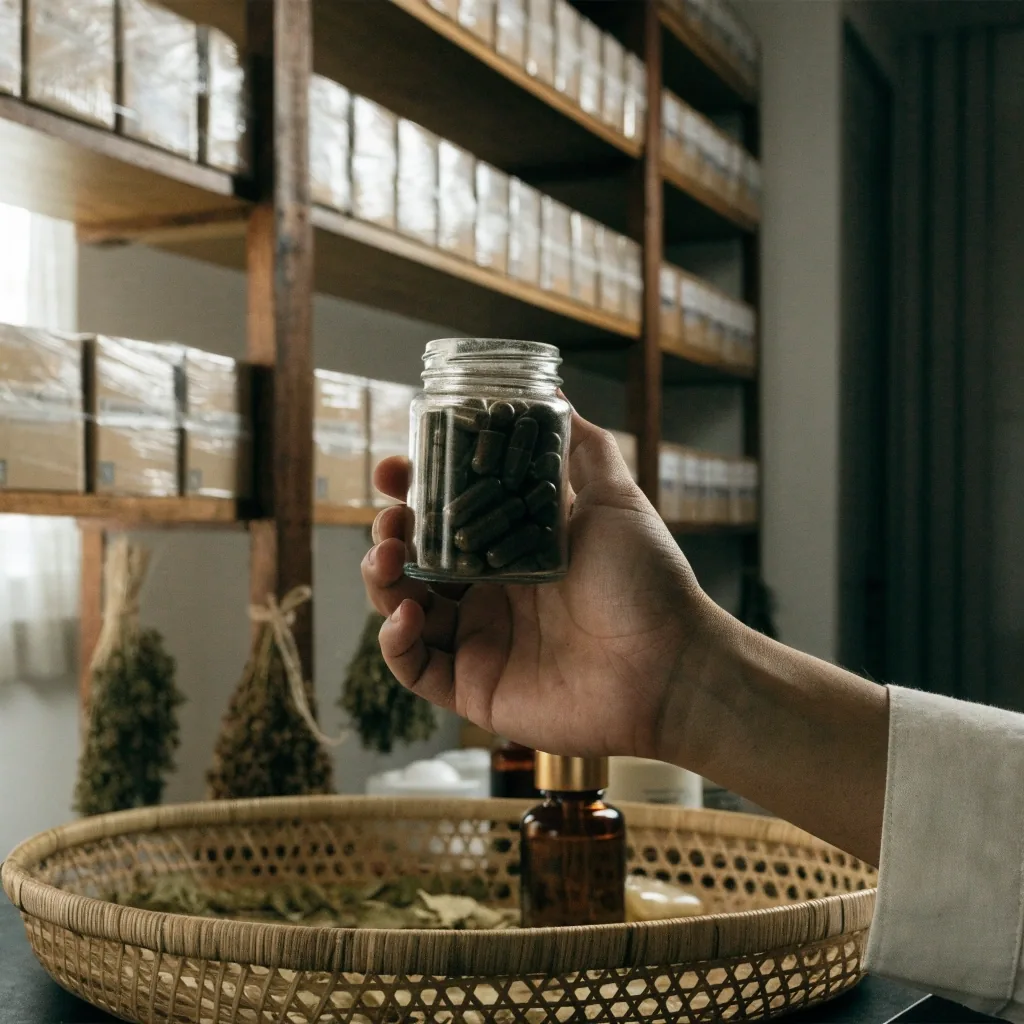
Building a routine you'll actually keep
The most common failure in this category is not picking the wrong bottle. It is picking a bottle and then taking it four times in two weeks. A once-daily multivitamin taken every morning for a month beats a six-capsule botanical formula taken sporadically, regardless of which has the more impressive ingredient list.
So pick the format you can hold to, set it next to something you already do daily, and give it a realistic window before judging anything. Supplements in this category are generally positioned as ongoing daily support rather than something you evaluate after three days.
A simple way to compare two products
Put them side by side and answer four questions. If two products answer those four the same way, they are probably close substitutes and price or availability can decide it. If they answer differently, you are looking at genuinely different products, and the comparison is about fit rather than quality.
- Is this a multivitamin or a botanical formula?
- What is the serving size, and does it fit my day?
- Are the main ingredients listed with amounts per serving?
- Which botanicals appear, and do I recognize them from other products?
Our product comparison page runs this exercise across common men's formulas sold in Indonesia, laid out so you can read two rows against each other.
Using the rest of this site
Four pages do most of the work here. Read one, or read all four in order. Each stands alone.
Read the vitamin formula guide
Men's Vitamin Formulas explains what a daily multivitamin and mineral blend typically contains and how the amounts are usually framed on a panel.
Open the vitamin formula guideEnergy and endurance formulas
Covers the botanical and mineral side of active-lifestyle products, and how those panels differ from a plain multivitamin.
Open the energy guideQuestions we get asked most
Short answers to the four things readers write in about most often. If your question is not here, the contact page is the fastest route.
Does SehatPria sell supplements?
No. We are an editorial site. We describe and compare products available in Indonesia, and we do not process orders or take payment for any product.
Can a supplement replace a balanced diet?
Supplement labels themselves generally position these products as additions to a diet, not substitutes for one. Food first is the framing the category uses, and we follow it.
Why don't you say which product is best?
Because "best" depends on your routine, your age, and whether you want broad coverage or a specific botanical. We compare by ingredient profile, serving format, and positioning instead, and let you match that to your own situation.
Are imported men's supplements better than local Indonesian ones?
Not as a rule. The real differences are labeling detail, capsule count, price, and how easy a product is to restock. We explain those on the comparison page.
Where to go from here
Pick the page that matches what you are actually trying to decide. If you are standing in front of two bottles right now, the comparison page is the fastest route. If you want to know how we reached our reasoning, the evaluation page comes first. If you have a question about a product we have not covered yet, write to the desk and we will look at it.
Editorial desk, Samarinda
We answer reader questions about labels, formats, and formulas we have not covered yet. Weekday replies, usually within one working day.
- Address
- Jl. Jend. Sudirman No. 5, Sidomulyo, Samarinda, 75117
- Phone
- +62 541 7454 2633
- [email protected]
- Hours
- Monday to Friday, 09:00 to 18:00
A note on how we write. Products named on these pages are named because they are easy to find on Indonesian shelves and illustrate a category point, not because we recommend them for your situation. Names, amounts, and formats change between batches and retailers, so always read the panel on the bottle in your hand. This site is editorial material only and is not a substitute for advice from a qualified professional.